
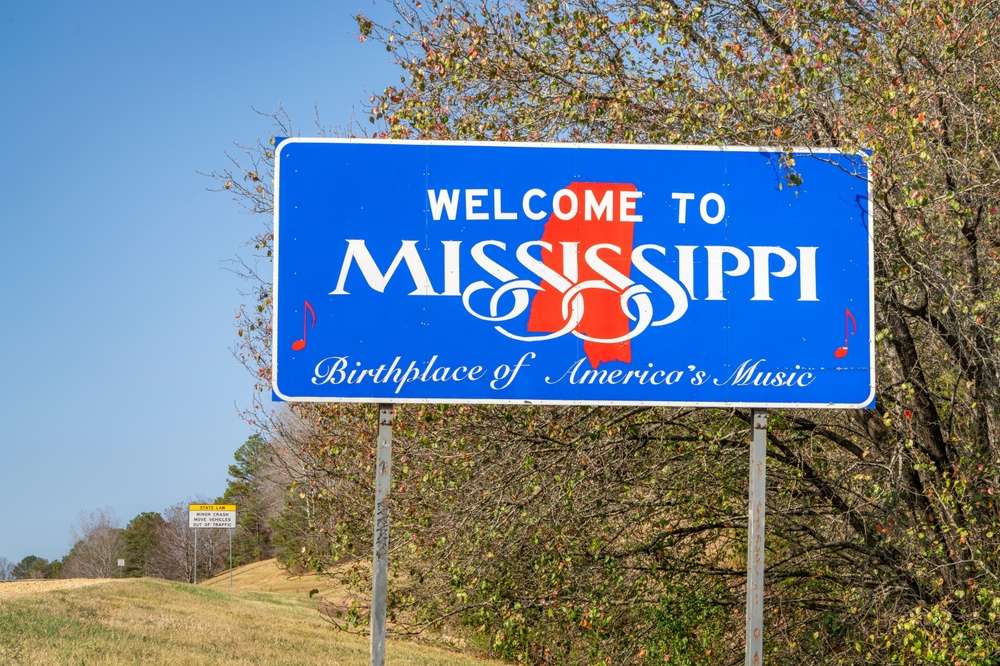
STATEWIDE — Gulfport, Tupelo and Meridian led Mississippi cities in a resume.io survey of young adults who want to stay in or return to their hometowns to build careers, according to a release from the company.
The survey reported that 43% of Mississippi respondents ages 18 to 35 wanted to build their careers in their hometowns. The release did not provide the number of Mississippi respondents or a margin of error for that figure.
The overall survey included 3,052 adults ages 18 to 35, with fieldwork beginning Sept. 30 and continuing into October 2026. Cities were ranked by the total number of respondents answering yes, with at least 50 respondents per city required for inclusion. The ranking measures counts of affirmative responses, rather than the share of each city’s respondents planning to stay or return.
The release highlighted military, maritime, health care and construction work around Gulfport; manufacturing and health care around Tupelo; and military, health care, manufacturing and education jobs around Meridian. Those descriptions were supplied by resume.io.
In the national results, proximity to family was the most frequently selected reason to build a working life at home, at 20%, followed by a lower cost of living at 16%. Nearly 79% said it was important for their careers to benefit the communities where they grew up.
Among respondents willing to accept less pay to work in their hometowns, the average acceptable reduction was estimated at 10.5%, according to the release. That question assumed the same job, working hours and living costs.
“There’s a common assumption that if you want to build a successful career, you need to leave your hometown and move somewhere else with more opportunities,” Amanda Augustine, resident career expert at resume.io, said in the release.
Augustine advised young professionals to consider opportunities to develop skills, take on responsibilities and advance, as well as salary and the local job market.
The company said its sample was balanced across age, gender and region. National findings represent the percentage of responses choosing each answer rather than statistical weightings. The hometowns identified may differ from where respondents currently live.


